
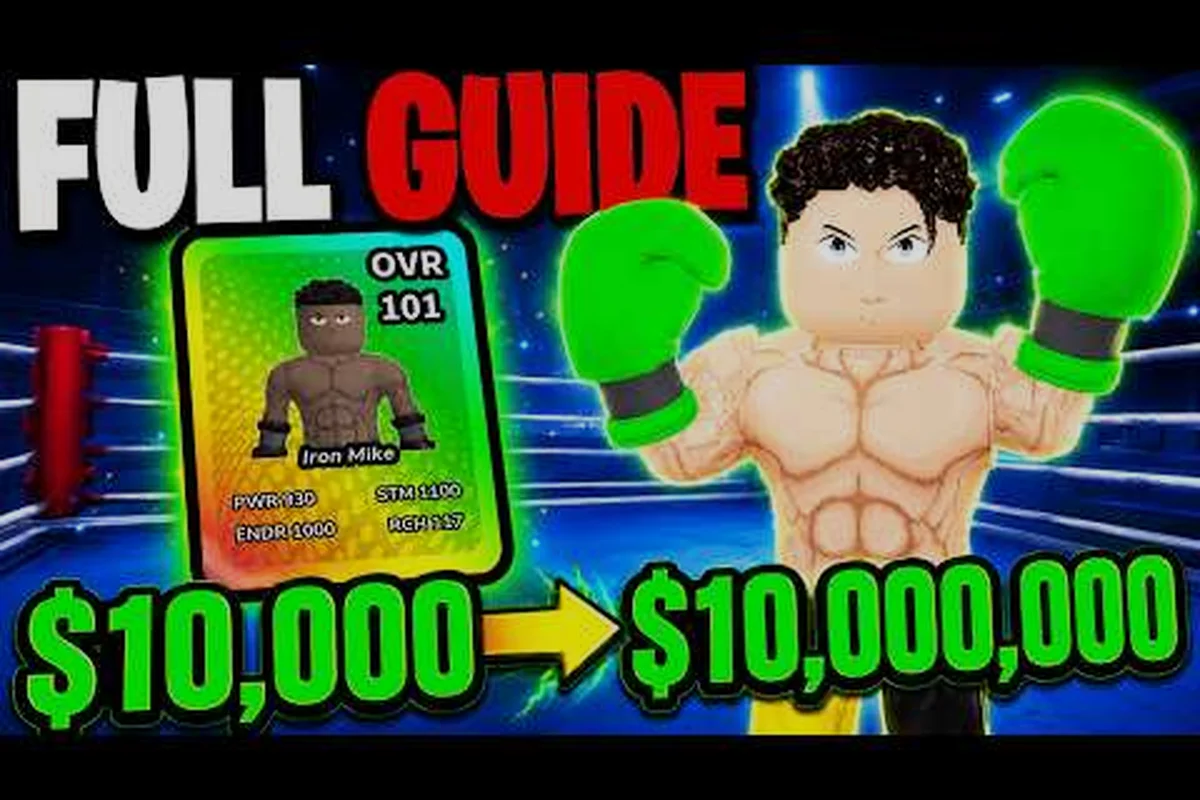
Dropping into Coach a Fighter for the first time can feel overwhelming when you see 250+ fighter cards, seven rarity tiers, and a gym full of machines. This starting guide breaks down exactly what to do in your first two hours so you don't waste coins or training sessions. Get the latest walkthrough steps, code redemption details, and match strategy all in one place.
What This Coach a Fighter Starting Guide Covers
The core loop is deceptively simple: collect fighter cards, train their three stats at the gym, upgrade your facility, then watch auto-battled matches unfold against NPCs or other players. According to the official Coach a Fighter page on Roblox, the game tracks your progress through leagues as your roster strengthens. What trips up most newcomers is the order of operations, not the mechanics themselves.
This coach a fighter walkthrough focuses on the opening session, which means: the first two hours of gameplay, from creating your coach profile to completing your initial roster of fighters. During this window, you'll learn the core loop of training, competing in matches, and earning rewards. Our goal is to help you maximize efficiency right from the start, so you can build a strong foundation without wasting time on suboptimal choices. This guide covers essential priorities, common pitfalls, and the best early investments to set you up for long-term success.
-
Completing the tutorial without skipping the stat explanations
-
Redeeming the Release! code before spending any currency
-
Choosing starter fighter cards that train efficiently rather than flashy ones
-
Running roughly 10 training sessions to understand stat growth
-
Entering your first NPC match with a realistic expectation of the auto-battle system
The reason this starting guide exists is straightforward: players who follow a structured opening sequence reach their first league promotion faster than those who wander. Community reports from the first week of launch consistently show that early coin management determines whether you hit a wall at League 3 or coast through it. If you want the complete picture beyond these first hours, our coach a fighter complete guide expands on every system in depth.
Redeeming the Launch Code: Claiming 500 Starter Coins Before Any Pack Buy
Your very first action after the tutorial should be redeeming the Release! code, because it gives you free currency that compounds into better training and card packs. ItzVexo's beginner walkthrough on YouTube emphasizes this step before any other purchase, and the logic is simple: every coin you save early is a training session you can afford later.
| Code | Reward | Priority |
|---|---|---|
| Release! | Free in-game cash | Redeem immediately |
| Future event codes | Varies | Check monthly |
| Social media codes | Varies | Check weekly |
The code redemption menu sits in the main lobby, usually behind the Settings or Shop tab. Type the code exactly as shown, including the exclamation mark, because the system is case-sensitive. If the code fails, double-check for trailing spaces or verify that you're on the correct server region.
Redeeming codes early matters because the reward scales with your current progression in some cases, and the free cash lets you buy a second card pack before your first match. That extra pack often contains a Rare or Epic fighter that carries you through the early NPCs. Players who skip this step typically find themselves grinding three extra matches just to afford the same pack.
Choosing Your Starter Fighter Cards Wisely
After the tutorial, you'll receive a small selection of starter cards, and this choice shapes your first hour more than any other decision. The game's seven rarity tiers run from Common through Uncommon, Rare, Epic, Legendary, Mythic, and Exotic, but rarity alone doesn't determine match outcomes. Sportskeeda's coverage of the game confirms that each fighter card carries three core stats: Strength, Dexterity, and Range, which are trained at the gym machines.
Evaluating Starter Cards: The 10-Gym-Visit Commitment Test for Initial Rares
Your starter cards will almost certainly be Common or Uncommon rarity, which is fine because they train faster than higher-tier cards early on. Look at the base stat distribution rather than the rarity badge. A Common card with balanced stats across Strength, Dexterity, and Range often outperforms an Uncommon card with one glaring weakness.
| Stat | Training Machine | Match Impact |
|---|---|---|
| Strength | Heavy Bag | Higher damage per hit |
| Dexterity | Speed Ladder | Faster attack speed |
| Range | Reach Trainer | Longer hit distance |
The community consensus, based on early player testing, is that balanced starter cards beat specialized ones until you understand the auto-battle system. A fighter with 10 Strength and 4 Dexterity will land hard hits but miss frequently against faster opponents. Your first goal should be identifying which stat your starter card lacks, then prioritizing that machine during your first training block.
The Training Loop for New Fighters
Once you've selected your starter, head to the gym and run roughly 10 training sessions spread across all three machines. This isn't random grinding; it's deliberate stat balancing. The training system costs energy, which regenerates over time, so you can't infinitely train in one session.
Training efficiency comes from matching the machine to your fighter's weakest stat. If your card shows 8 Strength, 5 Dexterity, and 6 Range, spend your first four sessions on the Speed Ladder to close that gap. The auto-battle resolution weighs all three stats, so a fighter with no obvious weakness wins more consistently than a one-dimensional powerhouse.
Winning Your First NPC Match: Exploiting the Rookie Trainer's Weakest Stat
Your first NPC match is less about raw power and more about understanding how the auto-battle system resolves fights. The game calculates outcomes based on stat totals, type matchups, and slight randomness, which means you can lose a match even with higher overall stats if the matchup is unfavorable.
Pre-Auto-Battle Matchup Screen: 3-Point Rarity and Stat Audit for New Coaches
Before accepting any NPC fight, the game shows you the opponent's fighter card with their visible stats. This screen is your tactical advantage. If the opponent has high Strength but low Dexterity, your balanced fighter with decent Dexterity will likely out-speed them and land more hits.
| Opponent Strength | Your Counter | Why It Works |
|---|---|---|
| High Strength | High Dexterity | Dodge more, land faster hits |
| High Dexterity | High Range | Keep distance, avoid flurries |
| Balanced | Balanced | Stat-for-stat mirror |
Matchup awareness separates players who win their first five NPC fights from those who lose three in a row. The game doesn't force you into fights, so you can back out and find a more favorable opponent. Community reports suggest that scouting three or four available NPCs before committing is standard practice among experienced players.
Reading Match Results: Using Damage Logs to Adjust Your First Week Roster
After each match, the game shows a breakdown of what happened, which hits landed, and which stats contributed most to the outcome. This log is your most valuable learning tool. If you lost because the opponent landed more hits, your Dexterity needs work. If you lost because their hits did more damage, Strength is the gap.
Post-match analysis should take as long as the match itself. Compare your fighter's stat line against the winner's and note the difference. Over your first five matches, you'll see patterns emerge. The players who climb leagues quickly are the ones who adjust training based on match data rather than blindly grinding the same machine.
Gym Upgrade Priority: The First 5,000 Coins Split Between Renovation and Packs
Your match rewards generate coins, and how you spend them determines your progression speed. The temptation is to buy new card packs immediately, but gym upgrades often provide better long-term value because they boost every fighter you train. For example, a single gym upgrade that increases training efficiency by 10% will benefit all future fighters, whereas a card pack only gives you one random fighter that may or may not fit your strategy. In the first two hours, prioritize gym upgrades over card packs to accelerate your overall growth and unlock stronger fighters sooner.
What to Buy First With Your Early Coins
The gym has multiple upgrade paths: training machine efficiency, energy regeneration, and unlockable features. Based on the official game page and community testing, the training machine efficiency upgrade delivers the highest return on investment in the first hour. This upgrade reduces the time or cost required for each training session, allowing you to cycle through more workouts and gain experience faster. Energy regeneration is useful but only matters if you're actively playing for long stretches, while unlockable features often require significant coin investment before they pay off. Focus on efficiency first to see immediate gains.
| Upgrade | Cost Range | Benefit |
|---|---|---|
| Machine Efficiency | Low | More stat gain per session |
| Energy Regen | Medium | More sessions per hour |
| Card Pack Discount | Medium | Cheaper new fighters |
Machine efficiency upgrades compound quickly because every training session becomes more valuable. If you upgrade the Heavy Bag efficiency by 20 percent, every Strength session you run for the rest of the day gives bonus progress. Energy regeneration is useful but doesn't increase the value of each session, only the quantity.
When to Buy Card Packs vs Save for Gym Upgrades: A 10,000 Coin Threshold Guide
The rule of thumb from early player reports is to buy one card pack after your first three matches, then pivot to gym upgrades until your training efficiency is maxed. New cards are exciting, but a roster of untrained fighters loses to a smaller roster of well-trained ones.
Card pack timing matters because the pool of available fighters expands as you climb leagues. Saving your coins until you unlock a higher league gives you access to better cards in the pool. Players who blow all their coins on packs in the first hour often regret it when they see the League 2 card pool.
Common Early Game Mistakes: Wasting Energy on the Wrong Fighters in Week One
Every coach a fighter guide worth reading includes a section on what not to do, because the failure patterns are remarkably consistent across new players. Avoiding these mistakes saves you hours of grinding. The most common errors include spending all coins on card packs early, neglecting gym upgrades, and training fighters without a clear strategy. Another frequent mistake is ignoring energy management, which leads to wasted downtime. By learning from these pitfalls, you can keep your progression steady and avoid the frustration of hitting a wall just a few hours into the game. Stay disciplined with your resources.
The Rarity Trap and Other Pitfalls
The rarity trap is believing that a Legendary card automatically beats a well-trained Common card. According to community data, a Common fighter with 30 sessions of balanced training often outperforms an untrained Epic fighter. Rarity determines potential, not current strength, and training is what unlocks that potential.
-
Skipping the tutorial explanations leads to wasted training sessions on the wrong stats
-
Ignoring energy management means logging out with full energy and losing regeneration time
-
Chasing high-rarity cards too early drains coins that should fund gym upgrades
-
Fighting every available NPC without scouting leads to avoidable losses
-
Neglecting Range training creates fighters that can't reach opponents with high Dexterity
Energy management is the silent killer of early progression. The energy bar caps at a certain amount, and once it's full, you stop regenerating. Logging out with a full bar wastes hours of potential regeneration. Plan your sessions so you end with low energy, then let it refill while you're away.
Building a Sustainable Progression Loop
Your first hour establishes habits that carry through the entire game. The players who succeed are the ones who build a sustainable loop: train until energy is low, fight matches to earn coins, upgrade the gym, then repeat. This coach a fighter walkthrough recommends tracking your training sessions and match results in a simple note to spot patterns.
Session planning means deciding before you open the game which fighter you're training and which stat needs the most work. Wandering into the gym without a plan leads to scattered stat growth and mediocre fighters. The players who climb leagues fastest treat each session as a deliberate step toward a specific fighter build.
Coach a Fighter Related Guides: Budget Builds, Rookie Counters, and Energy Schedules
Frequently Asked Questions
What is the Release! code and why should I redeem it first?
The Release! code is a launch promotion that grants free in-game cash when redeemed in the lobby menu. It's the first action in any coach a fighter starting guide because the free currency funds your first card pack and early gym upgrades. Codes are case-sensitive, so enter it exactly as shown.
How many training sessions should I run before my first match?
Run roughly 10 training sessions across all three machines before entering your first NPC match. This gives your starter fighter a balanced stat line and ensures you understand how each machine contributes to match performance. Training fewer than five sessions leaves you vulnerable to stronger NPCs.
Should I buy card packs or upgrade the gym first?
Prioritize gym machine efficiency upgrades over card packs after your first purchase. Efficiency upgrades compound across every future training session, while new cards require training investment to become useful. Save your coins for the League 2 card pool instead of spending everything on early packs.
How do I read the auto-battle match results?
The post-match breakdown shows which stats contributed most to the outcome. Compare your fighter's stat line against the winner's to identify gaps. If you lost on damage, train Strength. If you lost on hit count, train Dexterity. Use this data to plan your next training block.
What is the best rarity tier for early game fighters?
Common and Uncommon fighters train faster, making them ideal for early leagues. Rarity reflects potential, not current power—a well-trained Common beats an untapped Epic. Prioritize balanced stat growth over chasing rare cards in your first hour. Track which stat gap cost you a match, then adjust your next training block.